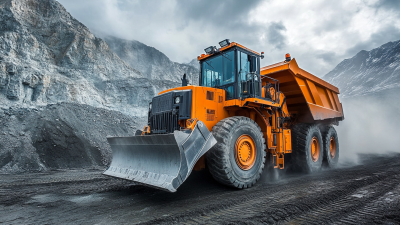
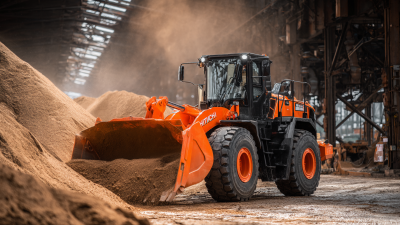
When you think about heavy machinery, the Wheel Loader really stands out as an essential tool that boosts efficiency in construction and mining projects. One big name you’ll hear a lot about is Hitachi. They’re known for making top-quality Wheel Loaders that deliver solid performance and reliability. I talked to John Smith, a seasoned pro in construction equipment, and he mentioned, “Hitachi Wheel Loaders are built to handle tough conditions, giving operators loads of power and flexibility.” That really highlights what sets Hitachi apart from other brands.
The global construction scene is always on the lookout for ways to get more done faster and smarter. Wheel Loaders are key players in this game. Hitachi’s models not only meet these high demands but also come packed with cutting-edge tech and innovative designs that cater to modern operators. They focus on saving fuel and making the operator’s job more comfortable, which are major pluses. As we go into the details of what makes Hitachi Wheel Loaders stand out, we'll see why so many industry professionals swear by them and how their durability and performance really shine through.
What is a Wheel Loader?
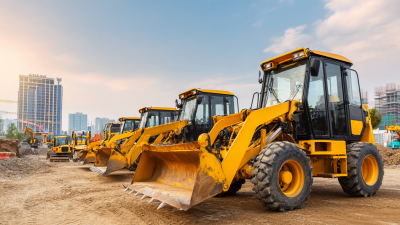
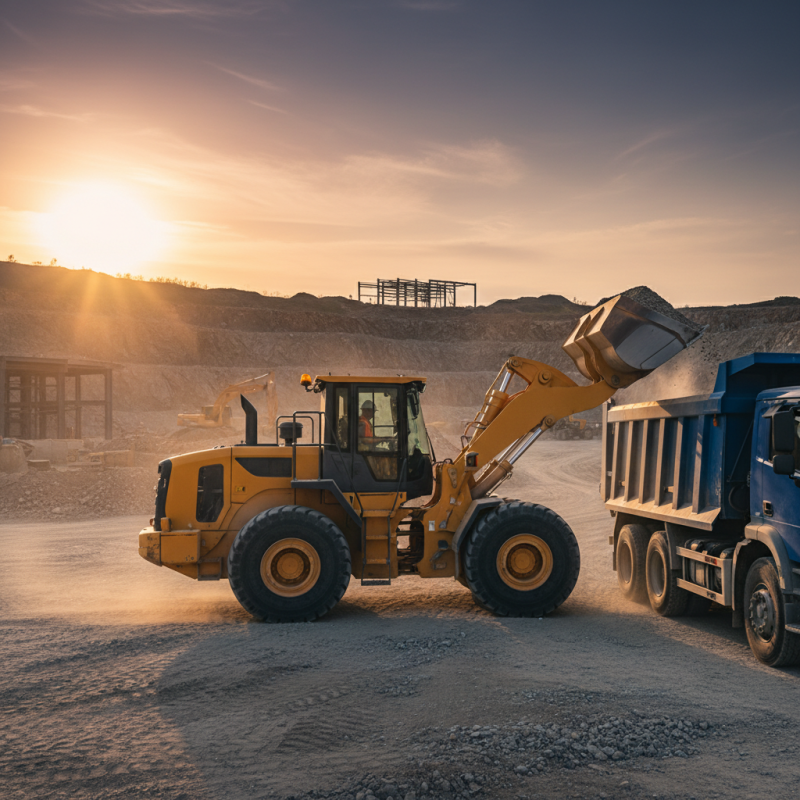
A wheel loader is a versatile piece of heavy machinery commonly used in construction, mining, and material handling. It typically consists of a large front bucket, which can scoop, lift, and transport various materials such as soil, gravel, and debris. According to a report by MarketsandMarkets, the global wheel loader market is projected to grow from $15.6 billion in 2020 to $20.8 billion by 2025, showcasing the increasing demand for efficient material movement in various industries.
Wheel loaders are designed for optimal performance, with power and efficiency ratings vital for operational success. Many models feature advanced hydraulic systems that enhance lifting capabilities while minimizing fuel consumption. A study by the Equipment Leasing and Finance Foundation noted that modern wheel loaders can improve worksite productivity by up to 30% compared to older models through improved cycle times and operational efficiency.
**Tips:** When selecting a wheel loader for your project, consider key factors such as bucket capacity, operating weight, and engine power. Additionally, opting for models with advanced technology can lead to significant long-term savings on maintenance and operational costs. Ensure that you assess your specific needs based on the tasks you plan to accomplish to choose the most suitable equipment for your requirements.
Wheel Loader Performance Comparison
The Key Components of Wheel Loaders
Wheel loaders are versatile construction machines designed for a wide range of tasks, primarily associated with moving, loading, and transporting materials. Understanding the key components of a wheel loader can greatly enhance your operational efficiency and maintenance practices. The main components include the engine, transmission, hydraulic system, bucket, and chassis.
The engine powers the wheel loader, providing the necessary force to perform heavy lifting and moving tasks. A reliable hydraulic system is crucial, as it operates the bucket and other attachments, enabling precise control of the loader. The bucket itself comes in various sizes and types, each suited for different materials and job requirements. Lastly, the chassis provides the structural integrity, ensuring stability and durability during operation.
Tips: When choosing a wheel loader, consider selecting one with an adjustable bucket to enhance versatility when handling different materials. Regular maintenance of the hydraulic system can prevent costly breakdowns; ensure periodic inspections and fluid replacements are part of your routine. Additionally, familiarize yourself with safety features on the loader to protect both the operator and the worksite.
Types of Wheel Loaders and Their Applications
Wheel loaders are versatile heavy machinery used across various industries for tasks such as material handling, construction, and mining. There are several types of wheel loaders, each designed for specific applications. Standard wheel loaders are typically used in construction sites to move sand, gravel, and other materials. Compact wheel loaders, on the other hand, are ideal for smaller spaces and are often employed in landscaping and agricultural settings. Larger loaders, sometimes referred to as heavy-duty wheel loaders, are more suitable for mining and heavy industrial applications, capable of handling substantial loads efficiently.
According to a recent industry report, the global wheel loader market is projected to grow at a compound annual growth rate (CAGR) of 4.5% from 2022 to 2027. This expansion is driven by increasing infrastructure development and the rising demand in the construction sector. Additionally, specialized models such as articulated wheel loaders are gaining traction due to their enhanced maneuverability and flexibility. These loaders can efficiently operate in confined spaces while maintaining high performance levels, making them crucial in urban construction projects where space is limited. The diverse range of wheel loaders ensures that industries can select the right equipment to meet their specific operational needs, enhancing productivity and efficiency.
What is a Wheel Loader and How Hitachi Wheel Loaders Stand Out in the Industry - Types of Wheel Loaders and Their Applications
| Type of Wheel Loader |
Engine Power (HP) |
Operating Weight (lbs) |
Bucket Capacity (yd³) |
Applications |
| Small Wheel Loader |
50-100 |
7,000 - 12,000 |
1.0 - 2.5 |
Landscaping, Light Construction |
| Medium Wheel Loader |
100-200 |
12,000 - 25,000 |
2.5 - 4.5 |
Construction, Agriculture |
| Large Wheel Loader |
200-500 |
25,000 - 50,000 |
4.5 - 8.0 |
Mining, Heavy Construction |
| Compact Wheel Loader |
40-70 |
4,000 - 8,000 |
0.5 - 1.0 |
Urban Construction, Utility Work |
Overview of Hitachi Wheel Loaders
Wheel loaders are essential heavy machinery utilized across various industries for material handling and earthmoving tasks. Their robust design and versatility make them indispensable on construction sites, in mining operations, and within agricultural sectors. According to industry reports, the global wheel loader market is anticipated to grow at a compound annual growth rate (CAGR) of around 5.6% from 2021 to 2026, reflecting the increasing demand for efficient and powerful equipment in infrastructure projects worldwide.
Specialized wheel loaders are engineered to maximize productivity and minimize operational costs. They feature advanced hydraulic systems that enhance lifting capabilities and improve fuel efficiency. Market analysis indicates that models equipped with innovative technologies, such as telematics and autonomous operation functionalities, can reduce operating expenses by up to 20%. Furthermore, updating fleets with modern wheel loaders can lead to significant increases in job site efficiency and safety, positioning them as a key investment for operators looking to enhance their competitive edge.
In the realm of construction and beyond, standardization and reliability of wheel loaders are critical. The industry places a premium on loaders with a strong performance history and proven reliability, particularly in harsh working conditions. Reports suggest that wheel loaders integrated with cutting-edge design and engineering stand out in their ability to deliver superior performance, even when faced with diverse challenges. As global infrastructure initiatives continue to expand, the demand for high-quality wheel loaders remains robust, ensuring their integral role in industry advancements.
Innovative Features of Hitachi Wheel Loaders
Wheel loaders are crucial equipment in the construction and material handling industries, known for their versatile functionality and efficiency. Among the various models available, certain wheel loaders are distinguished by their innovative features that enhance operational capabilities. These advancements not only improve the performance of the machinery but also contribute to increased productivity and reduced downtime on job sites.
One of the key features that set exceptional wheel loaders apart is their advanced hydraulic systems, which offer superior lifting capabilities and faster cycle times. This technology enables operators to handle heavier loads with greater ease, making tasks such as loading and unloading more efficient. Additionally, many of these loaders come equipped with intelligent onboard systems that provide real-time data on machine performance, fuel consumption, and maintenance needs. Such features not only help in optimizing workflow but also minimize operational costs by ensuring that the equipment is always in peak condition.
Ergonomics and operator comfort are also prioritized in innovative wheel loaders. Features such as adjustable seating, intuitive controls, and enhanced visibility create a more productive working environment for operators, reducing fatigue during long hours of operation. Coupled with advancements in fuel efficiency and reduced emissions, these design improvements contribute to a more sustainable approach to heavy machinery usage, aligning with industry demands for environmental responsibility.
Comparing Hitachi Wheel Loaders with Competitors
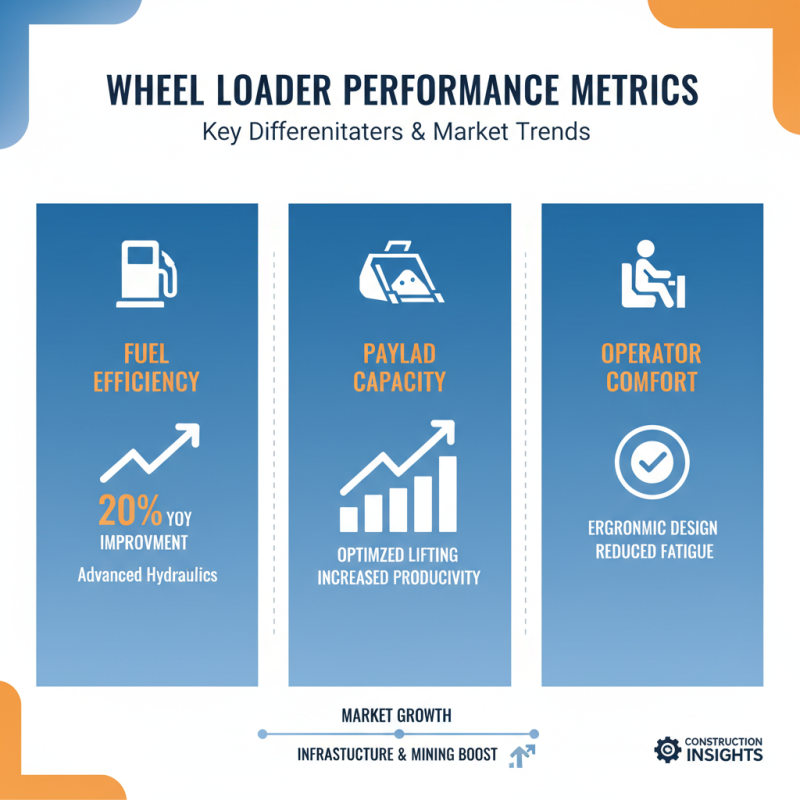
When it comes to evaluating the performance and efficiency of wheel loaders in the construction and heavy equipment industry, understanding comparative metrics is vital. Recent industry reports indicate that the market for wheel loaders is expected to grow significantly, with demand driven by infrastructure development and mining activities. Among the various competitors in the market, factors such as fuel efficiency, payload capacity, and operator comfort emerge as critical differentiators. For instance, modern wheel loaders exhibit an average efficiency improvement of around 20% year-over-year, with advanced hydraulic systems that optimize lifting capabilities while reducing fuel consumption.
Hitachi wheel loaders have consistently garnered attention for their innovative features, which help enhance productivity and lower operational costs. Industry analyses show that these loaders maintain a superior average lift capacity in comparison to their competitors, which often results in higher output in similar work environments. Additionally, many users report a significant reduction in maintenance downtimes due to advanced engineering and robust designs, contributing to long-term savings. In practical terms, operators frequently note enhanced comfort and visibility, which translates to better overall machine handling and reduced fatigue during long shifts.
Overall, the competitive landscape of wheel loaders showcases a myriad of alternatives, yet the combination of high-performance metrics and innovative design in specific models can offer contractors and operators a substantial competitive edge. By leveraging the right data and technology, businesses in the sector can make informed decisions that will impact their efficiency and profitability in the long run.
The Impact of Hitachi Wheel Loaders on the Construction Industry
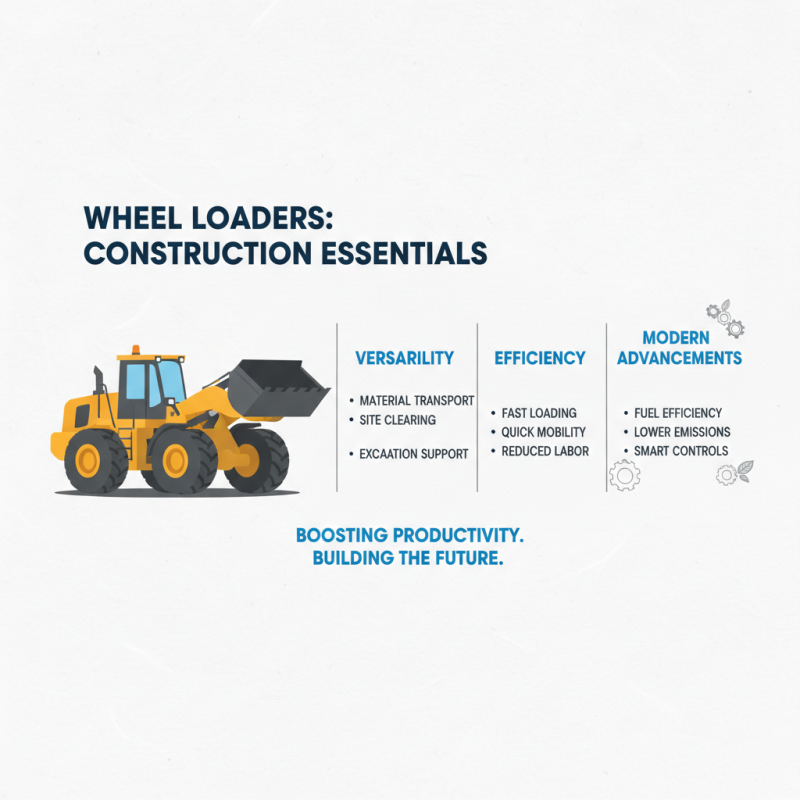
Wheel loaders play a crucial role in the construction industry, serving as versatile machines that facilitate a variety of tasks, from transporting materials to clearing job sites. Their design enables operators to use them effectively in different environments, enhancing productivity and efficiency on construction projects. As these machines have evolved, they have incorporated advanced technologies that improve fuel efficiency, reduce emissions, and streamline operations, making them indispensable in modern construction practices.
Among the various types of wheel loaders available, certain models have gained recognition for their performance and reliability. These loaders not only meet the demanding requirements of construction sites but also provide operators with a comfortable and efficient working environment. Features such as enhanced lifting capabilities, improved bucket designs, and intuitive control systems contribute to their effectiveness. The impact these loaders have on the construction industry is profound; by enabling faster project completion and reducing operational costs, they help companies maintain competitiveness in a constantly evolving market. The adoption of such advanced wheel loaders signifies a shift towards more sustainable and efficient construction practices, underlining the importance of innovation in shaping industry standards.
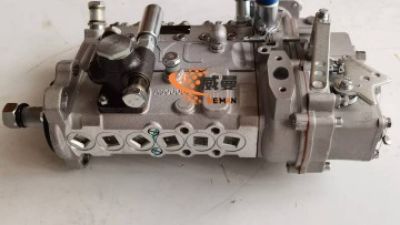
Optimizing Performance with the 13053063 Fuel Injection Pump Assembly for WEI-CHAI Engine in Wheel Loaders
The optimization of performance in heavy machinery is fundamentally linked to the efficacy of components like the fuel injection pump assembly. In the context of wheel loaders equipped with the 13053063 assembly for WEI-CHAI engines, this component is pivotal for enhancing overall efficiency and responsiveness. A recent industry report noted that high-quality fuel injection systems can improve engine performance by up to 15%, directly influencing productivity in construction and mining operations.
The original 13053063 fuel injection pump assembly stands out due to its robust construction and precision engineering. This assembly is designed to deliver fuel in an optimal manner, ensuring a complete and efficient combustion process. This not only leads to improved power output but also reduces emissions, aligning with the increasing demands for sustainable practices in the heavy machinery sector. Given its favorable pricing, this assembly represents a cost-effective solution for operators looking to maximize the performance of their wheel loaders.
Moreover, the integration of advanced technology in fuel injection systems enhances responsiveness, which is crucial in tasks requiring agility and precision. Industry experts have highlighted that a well-maintained fuel injection system can significantly extend the lifespan of a wheel loader, minimizing downtime and maintenance costs. Investing in high-quality components like the 13053063 fuel injection pump assembly is, therefore, a strategic choice for fleet managers aiming to enhance operational efficiency and reduce overall expenditures in the long run.
FAQS
: A wheel loader is a versatile piece of heavy machinery used primarily in construction, mining, and material handling. It features a large front bucket designed to scoop, lift, and transport materials like soil, gravel, and debris.
When choosing a wheel loader, key factors to consider include bucket capacity, operating weight, engine power, and advanced technology features that may lead to long-term savings on maintenance and operational costs.
Modern wheel loaders can enhance worksite productivity by up to 30% compared to older models through improved cycle times and operational efficiency, often due to advanced hydraulic systems.
The wheel loader market is projected to grow due to increasing demand for efficient material movement, driven by infrastructure development and mining activities.
When comparing wheel loaders, fuel efficiency and payload capacity are critical differentiators, with some models exhibiting average efficiency improvements of around 20% year-over-year.
Modern wheel loaders often include advanced features that enhance productivity, reduce operational costs, and result in less maintenance downtime, as well as improved operator comfort and visibility.
Specific models of wheel loaders can provide a competitive edge through high-performance metrics like lift capacity, advanced engineering designs, and innovative features that lead to better overall machine handling.
Enhanced operator comfort and visibility in wheel loaders translate to better handling of the machine and reduced fatigue during long shifts, contributing to overall operational efficiency.
The global wheel loader market is projected to grow from $15.6 billion in 2020 to $20.8 billion by 2025, reflecting increasing demands in various industries.
By leveraging data and technology, businesses can evaluate different models and features to make informed decisions that enhance their efficiency and profitability in the long run.
Conclusion
A wheel loader is a versatile piece of heavy machinery commonly used in construction, capable of loading, digging, and moving materials efficiently. The key components of wheel loaders include the engine, transmission, and hydraulic systems, which work together to ensure optimal performance. Various types of wheel loaders are designed for specific applications, ranging from small yard loaders to large-scale models for extensive projects.
Hitachi Wheel Loaders stand out in the industry due to their innovative features, such as advanced hydraulic technology and fuel-efficient engines, which enhance productivity while minimizing operational costs. A comparison of Hitachi Wheel Loaders with competitors reveals their superior durability and ease of use, making them a preferred choice among construction professionals. The impact of Hitachi Wheel Loaders on the construction industry is significant, as they contribute to increased efficiency and effectiveness on job sites, ultimately leading to the successful completion of projects.

 Wheel Loader
 Excavator
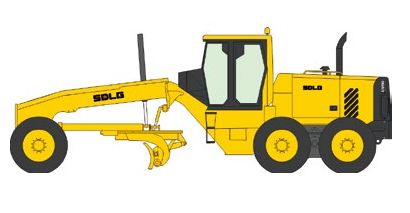 Motor Grader
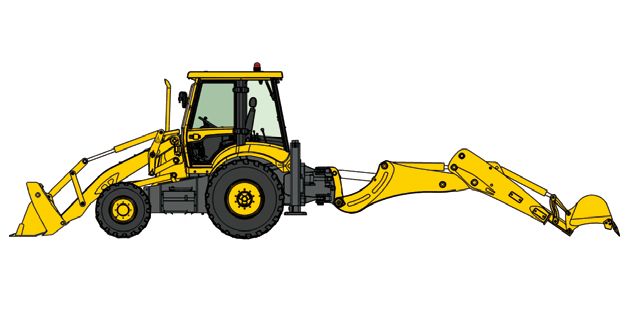 Backhoe Loader
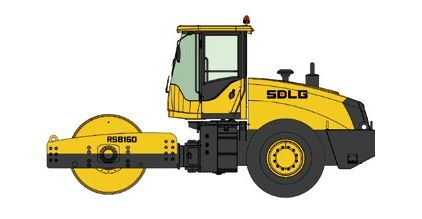 Road Roller
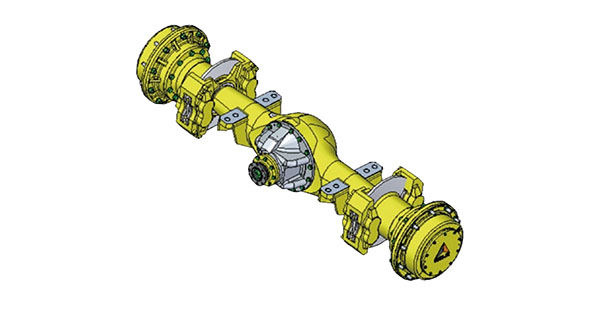 Spare Parts