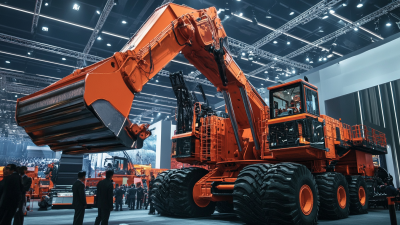
Handling heavy machinery for the first time can definitely feel a bit intimidating. I mean, it’s really important to take things slow and be cautious. Getting the hang of the basics can go a long way in keeping everyone safe. Companies like Heavy Equipment Solutions get that — they focus a lot on proper training and safety measures, especially for newbies.
When you think about heavy equipment, you’re probably picturing stuff like bulldozers, cranes, and excavators. Each of these machines has its own quirks and handling techniques. So, spending some time to really learn the controls, safety features, and what the manufacturer recommends is a smart move. Honestly, feeling confident when operating takes a bit of time and practice — it’s all part of the process.
And don’t forget, a lot of beginners tend to overlook how important pre-operation checks are. Doing a quick but thorough inspection can really prevent accidents before they happen. Think back to times when ignoring small details caused problems — it’s almost always worth it to be extra cautious. Putting a strong emphasis on safety not only keeps everyone safe but also makes the work smoother and less stressful in the long run.
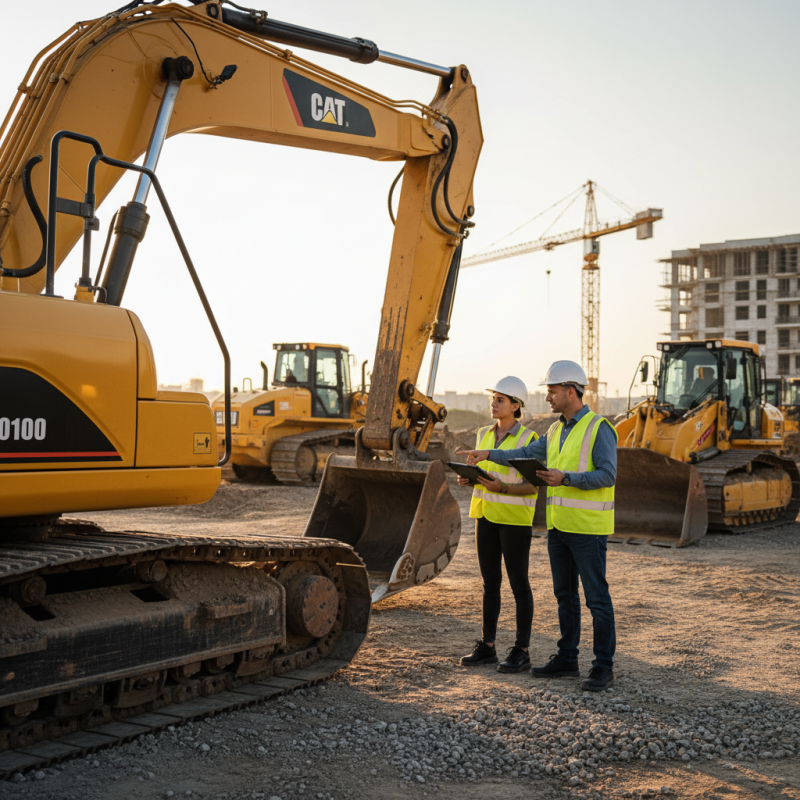
Key Safety Regulations for Operating Heavy Machinery
Operating heavy machinery requires a strong emphasis on safety regulations.
The first step is familiarizing yourself with the machine's instruction manual. Each piece of machinery has specific operational guidelines.
Understanding these is crucial to avoid accidents.
Always inspect the equipment before use. Look for any signs of wear or damage. A broken part can lead to serious issues during operation.
Proper training is essential. Those new to heavy machinery should undergo comprehensive training sessions. This includes both theoretical and practical components.
Always wear appropriate personal protective equipment, such as helmets and gloves.
Lack of proper gear can lead to severe injuries.
It’s important to communicate clearly with others on the site. Use hand signals or radios when necessary.
Even with training, mistakes can happen.
It’s vital to learn from these experiences. Reflect on any close calls or issues encountered. Discuss these incidents with more experienced operators. Continuous improvement is part of safe operation.
Safety regulations can often feel overwhelming.
However, adhering to them will create a safer working environment for everyone involved.
Essential Personal Protective Equipment for Beginners
Wearing the right personal protective equipment (PPE) is crucial for anyone operating heavy machinery.
Sturdy helmets can shield your head from falling objects. High-visibility vests keep you seen in environments with moving vehicles. These basic items form the foundation of safety gear.
Gloves are essential for hand protection. Choose gloves that provide both grip and dexterity.
Steel-toed boots protect your feet from heavy loads. They should be comfortable enough for long hours. Don't forget eye protection.
Goggles or face shields can prevent hazardous materials from causing serious injuries.
Every beginner should inspect their equipment regularly.
Are your gloves torn? Is your helmet cracked? Reflect on your gear's condition before starting your task.
Neglecting these checks can lead to accidents. It takes only a moment to ensure your safety,
but it can make a significant difference in the outcome.
Understanding Different Types of Heavy Machinery
Heavy machinery comes in various types, each designed for specific tasks. Common categories include
excavators, bulldozers, loaders, and
cranes.
Excavators are vital for digging and earthmoving. They feature a rotating platform and several attachments.
Bulldozers, on the other hand, have wide blades used for pushing material. They excel in leveling and clearing land.
Understanding the unique functions is crucial for safe operation. Each machine has distinct controls and handling techniques. For example, operating a crane requires knowledge of load limits and stability. Loaders are great for moving materials, but improper loading can cause tip-overs. New operators often struggle with spatial awareness, making accidents more likely. It’s vital to practice in a safe environment before tackling real projects.
Heavy machinery can be intimidating. However, familiarity builds confidence. But mistakes happen, and that's part of learning.
Operators should always reflect on their performance. What went well? What could be improved? Creating a habit of self-evaluation fosters better practices and safety.
Basic Operating Procedures for Heavy Machinery
When operating heavy machinery, safety is paramount. Understanding basic operating procedures is essential for beginners.
Begin by inspecting the equipment. Check for any visible damages or leaks. A pre-operation checklist can help ensure nothing is overlooked.
It's easy to miss small details. These small issues can lead to larger problems later.
Next, familiarize yourself with the controls. Each machine is different, so take time to learn how it operates.
Practice basic maneuvers in a safe area. Move cautiously to gain confidence.
Mistakes can be costly, both in time and safety.
Don’t rush this process. It’s better to take a moment to think than to react impulsively.
Lastly, communication is key. Use hand signals or radios to stay in touch with others on-site.
Ensure everyone understands their roles. Poor communication can lead to dangerous situations.
Always maintain a safe distance from others when operating heavy machinery.
Safety is a shared responsibility.
Reflect on your experience often. Continuous improvement is vital in this field.
Conducting Pre-Operational Safety Checks
Conducting pre-operational safety checks is crucial for anyone operating heavy machinery. Before starting any equipment, check for visible signs of wear or damage. Inspect the hydraulic lines, tracks, and controls. Look out for leaks or loose components. Ensure that safety guards are in place. Each inspection step matters. Missing one may lead to accidents.
Take the time to familiarize yourself with the machinery's features. Know the location of emergency shut-off switches. Understanding these details can prevent panic during a malfunction. If you're unsure, ask a supervisor for guidance. Trust your instincts. If something feels off, pause and reassess. Rushing through this process can lead to oversight.
Keeping a checklist can help maintain consistency during inspections. Mark off each section as you finish. This method also allows you to track any recurring issues. Reflect on your experiences. Did you miss something important? Learn from these oversights. The goal is to create a safe working environment for everyone involved.
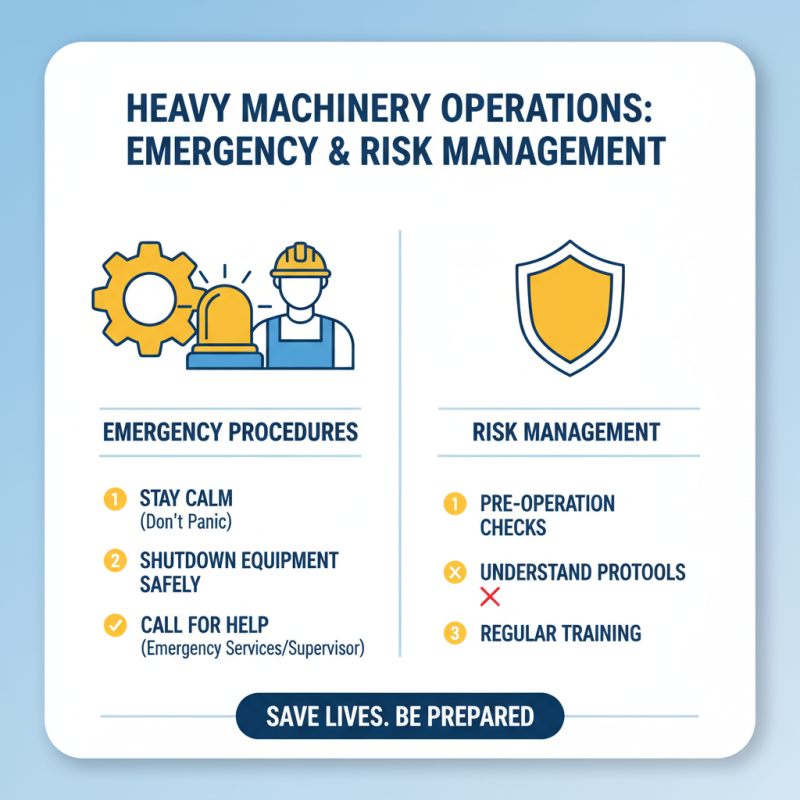
Emergency Procedures and Risk Management Techniques
Emergency procedures and risk management are crucial when operating heavy machinery. Understanding these factors can save lives. Operators must know what to do in emergencies. Always stay calm. Panic can worsen situations.
**Tips:** Always have an emergency plan. Share it with all team members. Regular drills can prepare everyone for real situations. Identify potential hazards around the machinery. Regularly inspect equipment for safety issues.
Communication plays a vital role in safe operations. Use clear hand signals or radios. Everyone must understand and respect safety protocols. Don’t hesitate to stop operations if something feels wrong. Mistakes happen, but learning from them is key.
**Tips:** Keep a log of any near-misses. Analyze them with the team. Reflecting on these incidents helps improve safety measures. Continuous training is essential. Operators should refresh their skills regularly. Remember, safety is a shared responsibility. Safety must always come first.
Continuous Learning and Certification Opportunities in Heavy Machinery
When it comes to operating heavy machinery, continuous learning is key. Beginners should seek out training programs that focus on real-world applications. These programs often combine theory with hands-on experience, which helps bridge the knowledge gap. Understanding the machine's mechanics is crucial. However, simply knowing how it works isn't enough.
Certification opportunities play a vital role in safety. Many regions require certifications to operate specific machinery. Obtaining these certifications not only ensures compliance but also boosts confidence. Remember, training doesn’t stop after certification. Engaging in regular workshops and refresher courses is essential.
Reflecting on past experiences can lead to better choices. An operator may face unforeseen challenges. Knowledge from previous situations can be invaluable. Sometimes, mistakes happen. Learning from those errors enhances skills. Continual improvement is the goal. Therefore, be open to feedback and engage with more experienced operators.
Optimizing Performance: Analyzing the Impact of SDLG 28220003561 Upper Board on Machinery Efficiency and Cost-Effectiveness
In the machinery sector, optimizing performance is a crucial goal, and components like upper boards play a significant role in achieving this. The SDLG 28220003561 Upper Board, weighing just 1.6kg, has been flagged for its high-quality construction that enhances machinery efficiency and responsiveness. Research shows that high-performing components can improve machinery uptime by as much as 25%, leading to significant cost savings and increased productivity.
The efficient design of the upper board facilitates better interaction with other machine elements, which not only ensures smoother operations but also minimizes wear and tear. According to industry data, incorporating high-quality parts can lead to a 30% reduction in maintenance costs over time. This is particularly relevant as machinery costs continue to escalate, making cost-effective solutions imperative for businesses striving to remain competitive.
Moreover, the favorable pricing of the SDLG 28220003561 Upper Board positions it as a sensible investment for operators looking to enhance their machinery’s efficiency without compromising on quality. By choosing durable and innovative components, businesses can achieve a greater return on investment, thereby contributing positively to their overall operational effectiveness and bottom line.
FAQS
: Try restarting your device. If that doesn't work, check for updates.
Personalize your settings. Explore different features that enhance usability.
Use the reset option on the login page. Follow the email instructions.
Yes, you can log in on various devices. Just ensure you're using the same account.
Navigate to account settings. Look for the deletion option.
Feedback helps improve services. It addresses user needs and experiences.
Yes, support is available through multiple channels. Try email or chat first.
Updates usually occur monthly. Check for notifications regularly.
Report it through the designated channel. Provide as many details as possible.
Yes, you can upgrade or downgrade at any time. Review the options first.
Conclusion
Operating heavy machinery safely is crucial for beginners who wish to embark on a career in this field. The article outlines key safety regulations that ensure a secure working environment, emphasizing the need for essential personal protective equipment (PPE) specific to heavy machinery tasks. Understanding the different types of machinery and their unique operating procedures is vital, along with conducting thorough pre-operational safety checks to identify potential hazards.
Furthermore, the article highlights the importance of being prepared for emergencies and utilizing effective risk management techniques. Continuous learning, including certification opportunities, is encouraged to enhance skills and knowledge in heavy machinery operation. By following these guidelines, beginners can foster a safer workplace and become competent operators in the heavy machinery industry.

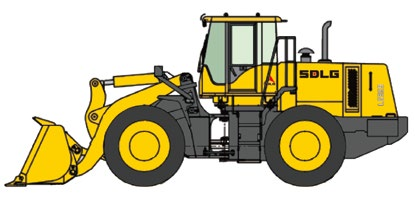 Wheel Loader
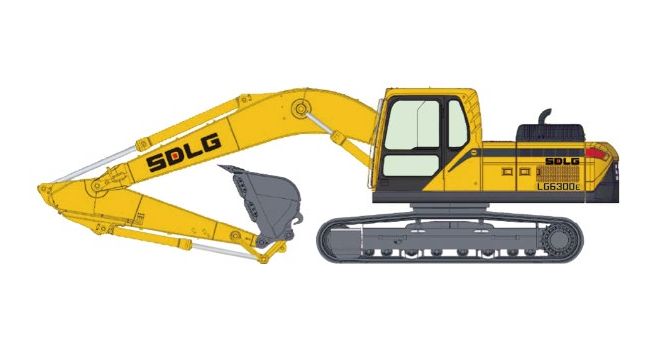 Excavator
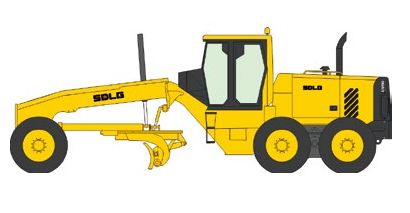 Motor Grader
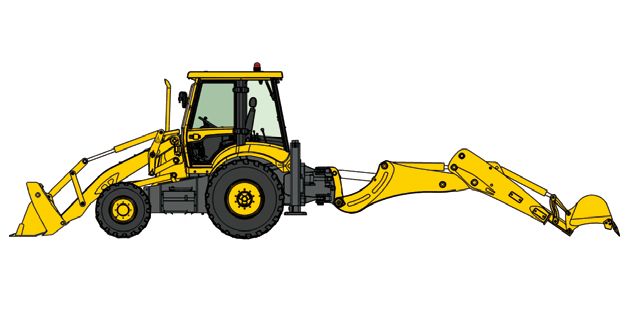 Backhoe Loader
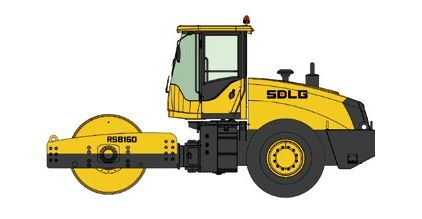 Road Roller
 Spare Parts