Starting a construction project? Then you know just how important it is to pick the right excavation equipment. It’s pretty much the backbone of getting things done efficiently and smoothly.
At Linyi Weiman Import and Export Co., LTD., based out of Linyi City in Shandong province, they’ve got a pretty impressive lineup of heavy machinery that’s designed to fit all kinds of projects.
Whether you need powerful excavators or versatile skid steer loaders, Weiman’s got you covered with a wide range of options.
Getting a good grip on the different types of excavation gear and what they’re good at is super helpful when you’re trying to make smart choices.
So, in this guide, we’ll walk through the key stuff you should keep in mind when picking out the best equipment for your job — making sure you’re set up for a successful, on-time finish.
Understanding Different Types of Excavation Equipment and Their Applications
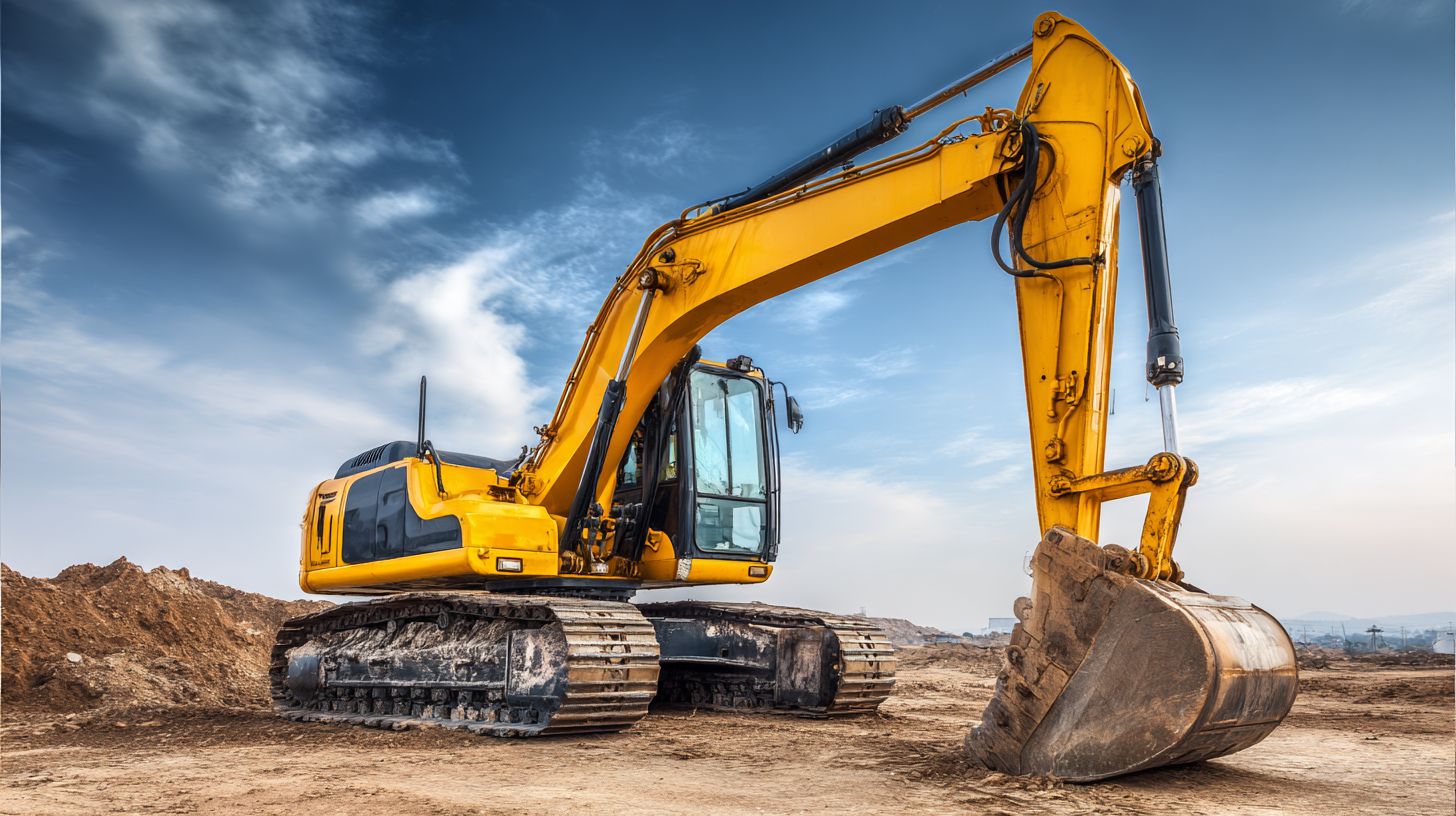
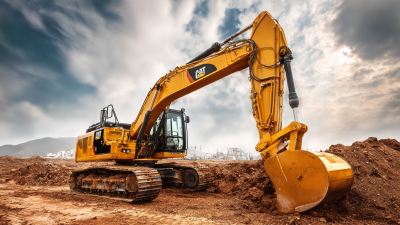
Starting an excavation project? Well, it’s really important to get a good grasp of the different types of equipment out there and what each one’s used for. Take excavators, for instance — they’re pretty much the Swiss Army knives of the job site. They can dig, lift, and move stuff around with ease. Thanks to their hydraulic systems, you can switch out attachments for all sorts of tasks, whether it's digging trenches or tearing down walls. Then there are backhoes, which are kinda like a combo of a loader and an excavator — super handy because they can dig and carry materials without breaking a sweat.
And don’t forget about bulldozers. These guys are perfect when you need to push a ton of soil or debris quickly. Their big, powerful blades do a great job at leveling and grading land fast. Before you even start building, you usually need things like compactors and rollers to make sure the ground’s solid—that’s super important for any stable foundation. Understanding these different machines and what they do can really help your project go smoother and get the job done right. After all, getting this stuff right makes a huge difference in how quickly and well your construction turns out, especially with how busy the industry is these days.
Ultimate Guide to Choosing the Best Excavation Equipment for Your Project Needs
| Equipment Type |
Primary Application |
Key Features |
Capacity |
| Excavator |
Digging and Earthmoving |
Versatile with various attachments |
20-50 tons |
| Bulldozer |
Land Clearing and Grading |
Powerful blade for moving large quantities |
15-50 tons |
| Backhoe Loader |
Digging, Loading, and Material Handling |
Compact with front loader and backhoe |
10-15 tons |
| Skid Steer Loader |
Heavy Lifting in Tight Spaces |
Highly maneuverable with various attachments |
1-3 tons |
| Trencher |
Trenching for Utilities and Drainage |
Deep, narrow trenches |
4-12 inches wide |
Key Factors to Consider When Selecting Excavation Equipment for Your Project
When you're picking out excavation equipment for your project, there are definitely some key things you should keep in mind. First off, think about how big and deep your excavation needs to be. Not all machines are created equal—like, a mini-excavator's perfect for tight spots, but if you’re dealing with something larger, a big backhoe might be more your speed. Also, take a good look at the terrain; if it’s rocky or pretty uneven, you might need something heavier-duty to get the job done smoothly.
A helpful tip—make sure there are qualified operators available for the equipment you're considering. It’s not just about safety, but also about making sure everything runs efficiently. Plus, it’s a good idea to peek into the specs and limits of the machines beforehand so you can avoid surprises later on.
Another thing to think about is fuel efficiency and maintenance. Choosing machines that don’t guzzle fuel can save you some cash over the course of the project. And don’t forget, regular maintenance is key to preventing breakdowns that could slow down your progress.
Here's a little extra tip—look up different brands and models, check out reviews, and see how reliable they are. That way, you’re more likely to pick equipment that lasts and performs well. And if you're working on a tight schedule, go for gear that’s easy to rent locally; it’ll save you some headaches.
Evaluating the Cost-Benefit Analysis of Renting vs. Buying Excavation Machinery
Whenever you're looking into excavation equipment for a project, one of those big questions is whether to rent or buy. I mean, it’s not always straightforward. According to some stuff from the Equipment Leasing and Finance Association (ELFA), renting heavy machinery can cost anywhere from about $2,000 to $20,000 per month, depending on what you're renting and how big it is. On the flip side, buying new gear could set you back $100,000 or even more upfront — and that’s before you factor in maintenance and running costs. If your project is short-term, renting can often be the smarter financial move. It helps you keep your cash flow in check without the long-term worries that come with ownership.
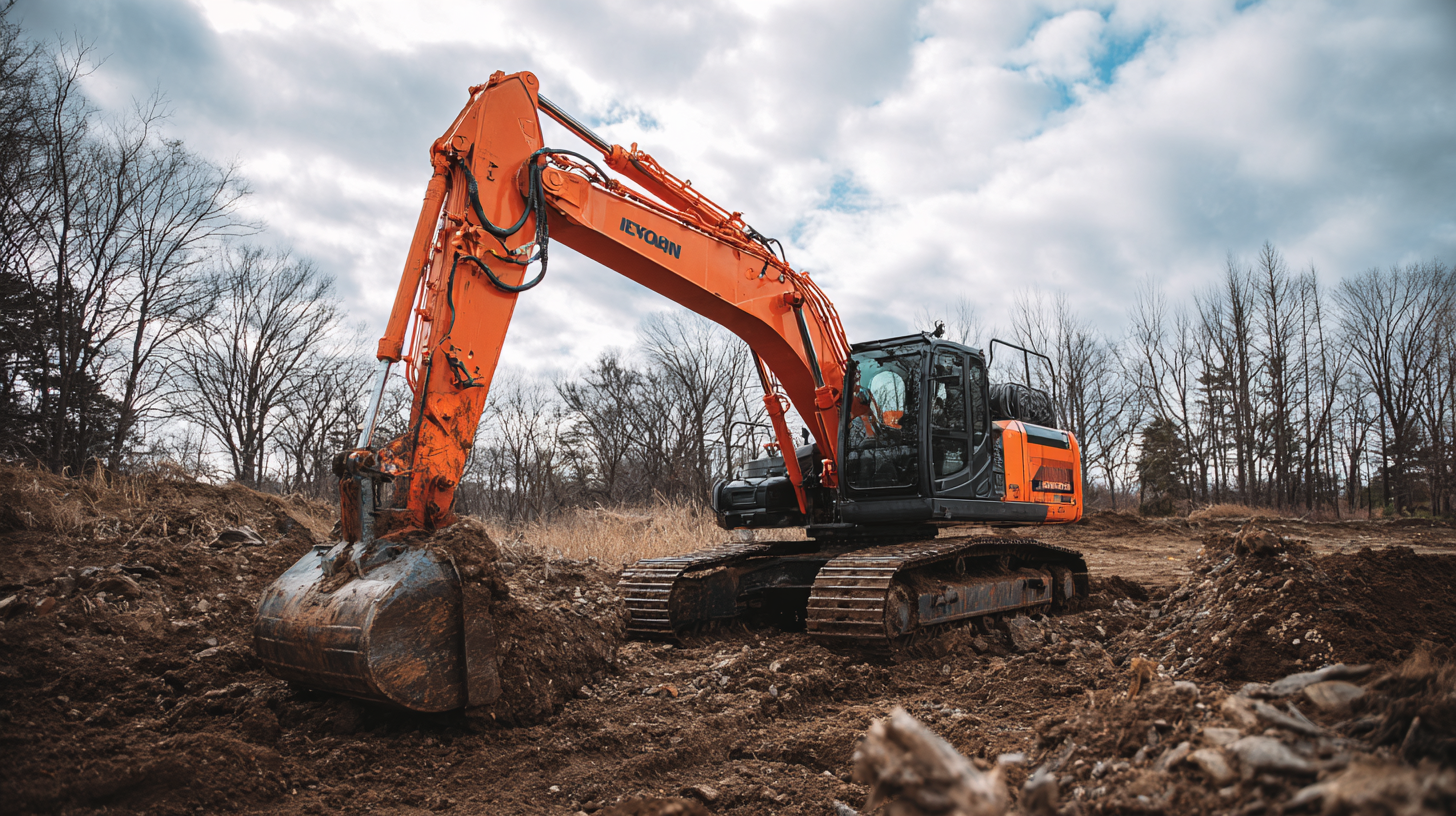
But hey, if you’re running similar jobs pretty often, buying might actually save you some money in the long run. The National Equipment Register says that most heavy equipment lasts around 10 to 15 years, so over time, the rental fees add up. Plus, owning your own gear means you’re in control—scheduling maintenance when you want and having the equipment ready to roll whenever you need it, which can really cut down on project delays. Overall, it really comes down to your specific project timelines, how often you’re gonna use the equipment, and what fits best financially.
Bottom line? Do your homework and weigh both options carefully before making a move.
Essential Safety Considerations for Operating Excavation Equipment on Job Sites
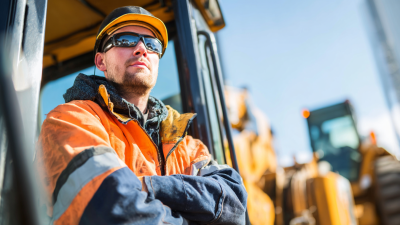
When you're out there operating excavation equipment on a job site, safety really has to come first. The truth is, according to the Bureau of Labor Statistics, about 200 workers lose their lives each year because of excavation-related accidents—that's pretty serious. Making sure you use the equipment properly and follow all safety rules can actually make a big difference in keeping everyone safe. It's super important that operators get proper training and really get to know the equipment they're working with, whether it’s an excavator, bulldozer, or backhoe. OSHA stresses the need for pre-operation checks—taking a moment to look over everything before you start can spot potential hazards early on.
And honestly, making sure safety measures are in place goes beyond just the gear. Clear communication among team members is a game-changer. A report from the National Safety Council points out that good communication can prevent up to 70% of accidents on the site. Simple things like having a buddy system or using hand signals can really boost awareness and teamwork. Of course, don’t forget your protective gear—hard hats, gloves, and visibility vests are must-haves for everyone on site. If we focus on these basic safety steps, we not only protect ourselves and our coworkers but also keep things running smoothly and efficiently. After all, a safe job site is a happy and productive one!
Analyzing Equipment Specifications: Power, Weight, and Efficiency Metrics
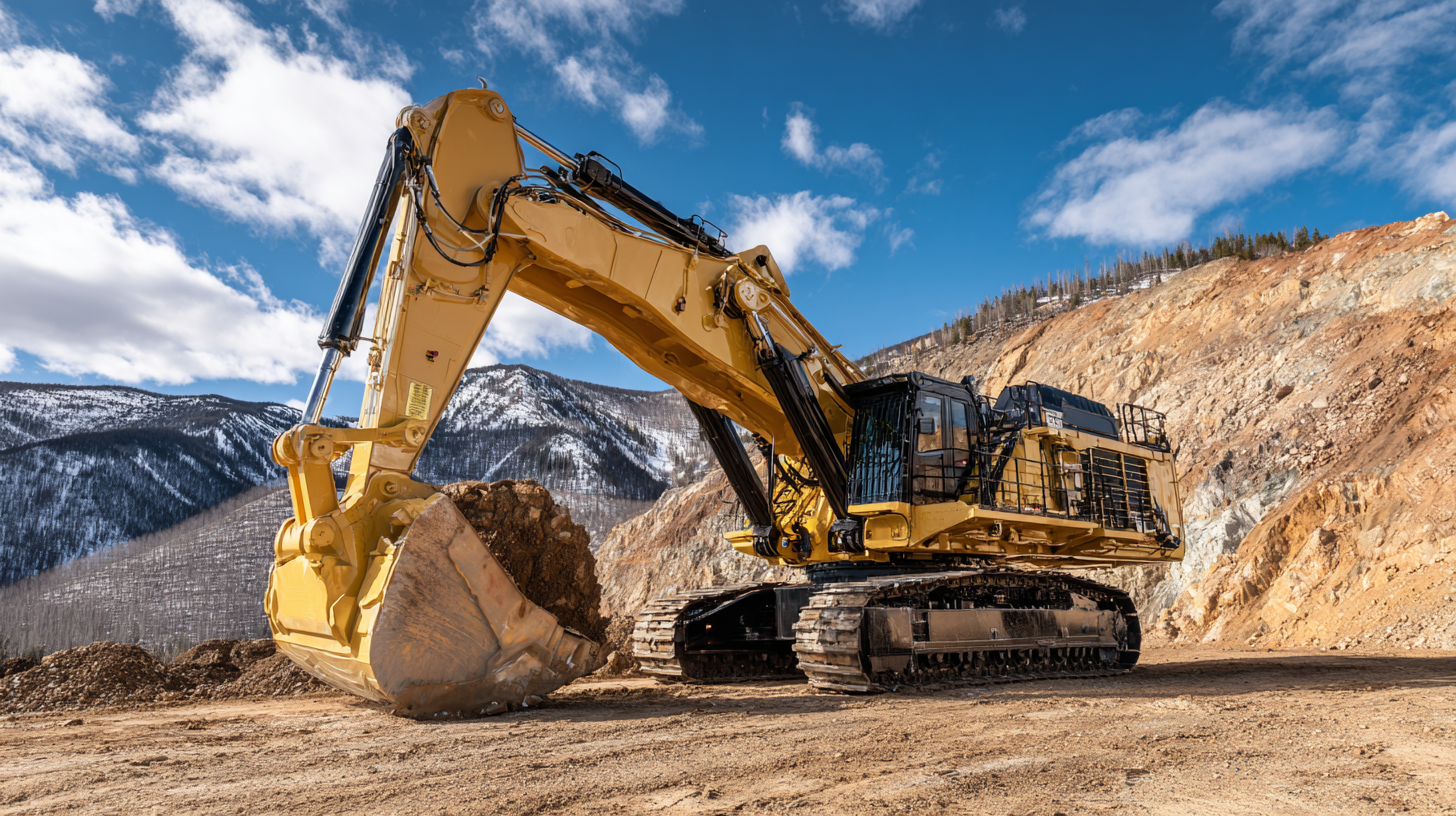 When you're trying to pick out the right excavation equipment for your project, really understanding the specs is a must—things like power, weight, and efficiency are pretty much key. I read in the 2022 Equipment World report that machinery power is usually measured in horsepower, or HP, and it’s a big deal when it comes to how well an excavator can perform. For example, small excavators typically range from about 20 to 50 HP, making them perfect for smaller projects. On the other hand, the big guys can have up to 400 HP, which is what you'd want for heavy-duty stuff.
And then there’s weight, which honestly isn’t something to overlook. It affects how stable your machine is and how smoothly it runs. According to the latest from the Association of Equipment Manufacturers, the sweet spot for mid-sized excavators is around 15,000 to 30,000 pounds. That range hits a good balance—easy enough to move around and stable enough to keep from tipping over or sinking into soft ground. Machines in this weight class usually do a pretty good job handling soil and digging precisely.
Efficiency, meanwhile, can make or break your project budget. It’s usually looked at through fuel use and how much work the machine can do. The Construction Equipment Association shared that modern excavators have gotten about 30% more fuel-efficient over recent years, thanks to new hydraulic systems and better engines. So, if you pick equipment with high efficiency, you’re not just saving on costs—you’re also helping the environment. It’s all about making smarter choices that keep your project sustainable and budget-friendly.
Emerging Technologies in Excavation Equipment: Trends and Innovations to Watch
You know, the world of excavation equipment is changing so fast these days. It’s pretty much a must for us in the industry to keep up with the latest trends and innovations—or risk falling behind. One thing that's really gaining ground is the use of more energy-efficient materials and new methods. These aren’t just buzzwords; they actually make a big difference. A recent study showed that using more sustainable building practices could slash energy use by as much as 30%. That’s a huge push for the excavation side of things to start embracing greener gear and smarter approaches.
And it’s not just about energy savings. Construction has been going through some serious digital upgrades too. Excavators are getting smarter with tech like automation and digital tools. For example, predictive analytics and AI-powered design solutions are on the horizon—things that could really shake up how we manage projects, making decisions on the fly and speeding up operations. Experts are saying we might see project completion times cut by around 20% by 2025—that’s a game-changer for sure.
Plus, big events like bauma 2025 are showcasing some seriously cool new equipment, especially in hydraulics and electric tech. The push towards automation isn’t slowing down either; machine learning and smart tech are paving the way for some major breakthroughs that could boost efficiency even further. All these tech developments aren’t just making gear more advanced—they’re basically laying the groundwork for the future of construction to be more sustainable, efficient, and ready for what’s next.
Comprehensive Guide to Loader Parts: Key Components and Their Importance in Heavy Equipment Operations
When it comes to heavy equipment operations, understanding the key components of loader parts is crucial for both safety and efficiency. Among these components, the bucket stands out as one of the most vital. Responsible for scooping, lifting, and transporting a variety of materials, the bucket must be constructed from durable materials to endure the heavy loads and harsh working conditions faced on-site. A well-designed bucket not only enhances the loader's performance but also contributes significantly to productivity, making its quality paramount.
Equally important are the arms of the loader, commonly referred to as the boom and lift arms. These components play a pivotal role in maneuvering the bucket and lifting significant weights. The effectiveness of the loader hinges on the strength and maintenance of these arms, as they must be robust enough to handle the demands of heavy lifting. Regular inspections and maintenance are required to ensure these components remain in top condition, facilitating safe and efficient operation.
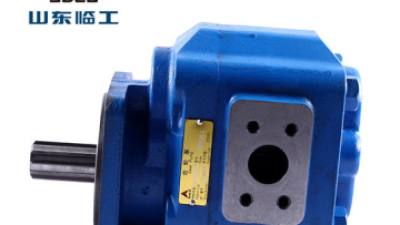
Another essential aspect of loader functionality is its hydraulic system. This intricate network of cylinders, pumps, hoses, and valves is responsible for powering the loader's movements, including lifting, tilting, and steering. To achieve optimal performance, it is vital that all hydraulic components are maintained in excellent condition. This means implementing regular maintenance schedules and promptly replacing any worn parts to prevent costly breakdowns. A well-maintained hydraulic system ensures that the loader operates smoothly and efficiently, optimizing overall performance in demanding environments.
FAQS
: Common types of excavation equipment include excavators, backhoes, bulldozers, compactors, and rollers, each serving specific functions such as digging, transporting, clearing, and leveling.
Excavators are versatile machines designed for digging, lifting, and moving materials, with hydraulic systems that allow for a variety of attachments.
Backhoes combine the capabilities of both a loader and an excavator, allowing for efficient digging and transporting of materials on-site.
Bulldozers are essential for pushing large amounts of soil or debris quickly, making them ideal for grading and leveling purposes.
Compactors and rollers are used for foundation and site preparation to ensure the ground is stable before construction begins.
Operators should undergo adequate training, perform pre-operation inspections, communicate effectively, and wear appropriate protective gear such as hard hats and visibility vests.
Effective communication can prevent nearly 70% of accidents on job sites, making it crucial for safety and teamwork among crew members.
Pre-operation inspections are essential for identifying potential hazards before work begins, thereby enhancing safety for operators and workers.
Implementing a buddy system promotes awareness and teamwork, which can help in recognizing hazards and ensuring that safety protocols are followed.
Understanding the types of excavation equipment, ensuring safety measures are in place, and maintaining effective communication can all contribute to improved project efficiency.
Conclusion
In the 'Ultimate Guide to Picking the Best Excavation Equipment for Your Projects,' you'll find a thorough rundown of different types of equipment and what they're best suited for. It really breaks down the key things you need to think about when choosing machinery—like what your project needs, the specs of the equipment, and whether renting or buying makes more sense financially. Plus, it stresses how important safety is on the job site, making sure everyone knows how to operate heavy machinery responsibly and efficiently.
The guide also dives into the latest trends and new tech in excavation gear, highlighting innovations that can boost productivity and make your work easier. And since Linyi Weiman Import and Export Co., LTD. is a top player in heavy construction equipment, they’re ready to supply all kinds of machines—like excavators and loaders—to help with just about any project you've got going.

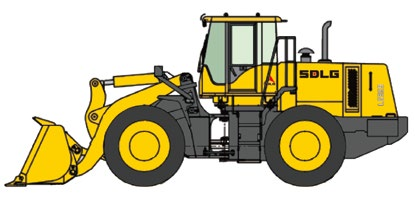 Wheel Loader
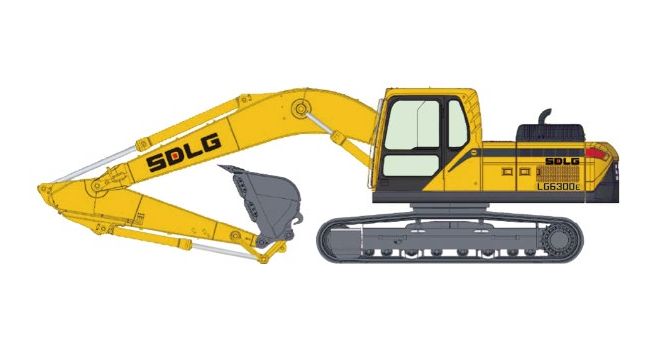 Excavator
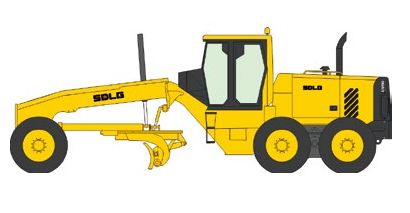 Motor Grader
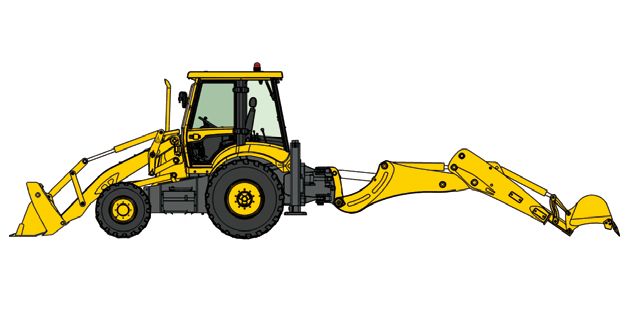 Backhoe Loader
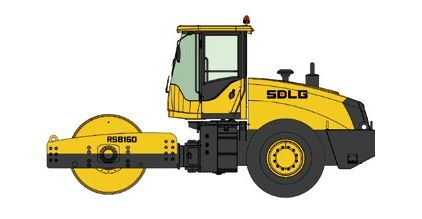 Road Roller
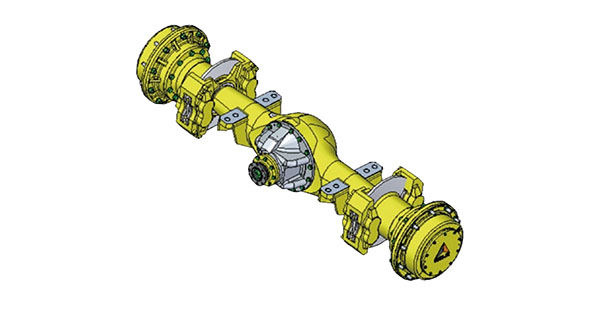 Spare Parts