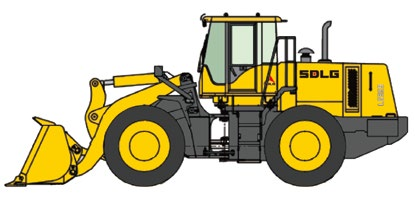
In today’s pretty competitive world, hiring a skilled Heavy Machine Operator can really make or break your project. Folks all over the globe are on the hunt for operators who aren’t just good at handling machinery but also get the importance of safety protocols. To be truly effective, a Heavy Machine Operator needs to stay adaptable, especially as technology keeps changing. You want someone with hands-on experience across various heavy machines—that’s pretty important since equipment can vary a lot depending on the industry.
And honestly, communication skills are huge. These operators often work side by side with engineers and site managers, so if they can’t communicate clearly, mistakes happen—and delays or even accidents could follow. Good operators are detail-oriented, knowing that even tiny errors can sometimes lead to bigger problems down the line. Reliability’s also key—if someone’s inconsistent, it could mess up the whole schedule.
Getting to the top of this game isn’t always a walk in the park. It takes ongoing training and an open mind to learn new equipment and techniques. When companies are looking for candidates, they should really focus on someone who combines solid experience with a willingness to keep learning. The right Heavy Machine Operator isn’t just about finishing tasks on time—they also help keep everyone safe and the job running smoothly.

Heavy machine operators play a vital role in various industries. They are responsible for operating heavy equipment, which requires a unique set of technical skills. According to a report by the Bureau of Labor Statistics, employment for heavy machine operators is projected to grow by about 10% from 2020 to 2030. This growth emphasizes the need for operators to stay up to date with advanced technologies.
Key technical skills include proficiency in operating bulldozers, excavators, and cranes. It’s important to understand machine safety and maintenance procedures. Operators must be skilled at reading blueprints and site plans. A Heavy Machine Operator School can provide essential hands-on training. Operators often face challenges such as adapting to new technology and adhering to safety regulations. A lack of experience in using modern equipment can hinder their effectiveness on the job.
Moreover, many machines now incorporate advanced features like GPS and automated systems. Operators must learn to navigate these tools efficiently. Continuous learning and training are crucial. The industry evolves rapidly, and operators must remain adaptable. This requirement for skill diversification points to a growing knowledge gap among professionals. Training programs need to address these gaps while ensuring safety and efficiency.
In the world of Heavy Machine Operator Jobs, safety procedures are paramount. A heavy machine operator must prioritize safety protocols every day. Wearing proper personal protective equipment (PPE) is essential. This includes helmets, gloves, and steel-toed boots. Operators need to be aware of their surroundings. Recognizing hazards before they escalate can prevent accidents.
Tips: Always perform a pre-operation check. Inspect the machine for leaks or damages. Ensure all controls are functioning correctly. Focus on using the right techniques when lifting or moving heavy materials. Remember, taking shortcuts can increase risks.
Operators should also be trained in emergency procedures. Understanding how to respond to accidents or machine failures is crucial. It's important to communicate effectively with coworkers on-site. Clear signals and instructions can prevent confusion. Reflect on past experiences. What could have been done differently? Each incident offers lessons that can improve safety in Heavy Machine Operator Jobs.
Certification and training are crucial for heavy machine operators. The construction industry emphasizes their importance. According to a report by the Bureau of Labor Statistics, certified operators earn 10-20% more than their non-certified peers. This wage gap reflects the value employers place on certified skills.
Training programs ensure safety and efficiency. A study from the National Safety Council shows that well-trained operators decrease accident rates by up to 30%. Furthermore, companies report fewer equipment damages, leading to significant cost savings. Operators must be familiar with the latest machinery and technology, as this field is rapidly evolving.
Despite the clear advantages, not all operators pursue certification. Some believe they can learn on the job. This mindset can lead to mistakes. Inadequate training often results in accidents. The industry continuously underscores the need for formal training to mitigate risks and improve job performance. Investing in certification is not just beneficial; it's essential for sustainable growth in the sector.
This chart illustrates the importance levels of various skills for heavy machine operators based on global buyer preferences. Each skill is rated from 1 to 10, highlighting the essential competencies required for effective operations in the field.
Effective operation of heavy machinery requires more than technical knowledge. Soft skills are crucial in ensuring safety and productivity on worksites. Communication is essential. Operators must convey instructions clearly. Misunderstandings can lead to accidents. A skilled operator fosters an environment where team members feel comfortable sharing concerns. This openness can prevent potential hazards before they escalate.
Decision-making is another critical skill. Heavy machinery operators often face unexpected situations. They must quickly assess risks and determine the best course of action. Relying solely on procedures can be limiting. Thinking on one’s feet is necessary. Adaptability allows operators to shift their approach based on the circumstances they encounter.
Finally, emotional intelligence plays a significant role. Operators should be able to manage stress and remain calm under pressure. Heavy machinery can be unpredictable. An operator’s ability to respond rationally can make all the difference. Reflecting on past experiences helps refine these skills. Continuous improvement is vital in this field. Operator training shouldn’t only focus on technical skills but should also integrate sessions on emotional and soft skills development.
Maintaining heavy machinery is crucial for optimal performance. Operators need to understand basic maintenance techniques. Regular checks can prevent costly breakdowns. According to industry reports, improper maintenance causes over over 30% of machinery failures. Operators must be diligent in monitoring equipment health.
Common issues include fluid leaks, worn-out parts, and faulty electrical systems. Operators should frequently check for signs of wear. It’s vital to document machine performance metrics. This approach helps in identifying trends before failures occur. Using visual inspections, operators can detect irregularities early.
Tip: Always keep a maintenance log. Tracking repairs leads to better foresight.
Troubleshooting is another essential skill. Operators should be trained to address machine issues promptly. Understanding how to scan error codes can save time. For example, a simple sensor malfunction can shut down operations. Timely interventions lead to increased uptime.
Tip: Develop a systematic approach to troubleshooting. This method can reduce downtime significantly.
Heavy machine operation is critical in various industries. Global compliance standards aim to ensure safety and efficiency. These standards vary by region but share common principles. Heavy Duty Machine Operators must understand these regulations to operate effectively.
Training is essential for Heavy Duty Machine Operators. Comprehensive programs enhance skills and knowledge. However, many operators overlook continuous education. This gap can lead to unsafe practices and accidents. Compliance requires staying updated with changing regulations. Operators must engage in regular training sessions.
Documentation is another key aspect. Operators need to maintain accurate records of equipment inspections and incidents. However, many fail to document properly, leading to potential violations. Emphasizing documentation fosters accountability and reliability. Adhering to global compliance standards not only improves safety but also enhances operational efficiency.
Modern heavy machinery operations are heavily influenced by technology. Advanced software systems are now commonplace in the field. Machine operators benefit from real-time data analytics. This technology aids in performance monitoring and predictive maintenance. Operators can adjust workflows based on data insights. The result is improved efficiency and reduced downtime.
Training for heavy machine operators has also evolved. Heavy Machine Operator School Manufacturers are integrating virtual simulations into their curriculums. These simulations offer a safe learning environment. They help prospective operators develop their skills without the risks of field training.
However, dependence on technology raises concerns. Some operators may struggle with equipment failures. A lack of hands-on experience in traditional settings could be detrimental.
Effective communication remains vital in modern operations. Operators must coordinate with other team members. Miscommunication can lead to accidents or delays. In a tech-driven environment, operators need both technical and interpersonal skills. Balancing the use of technology with practical, hands-on training is essential for success. This blend enhances both competency and safety in heavy machinery operations.
When it comes to enhancing the performance of heavy machinery, the intercooler plays a pivotal role. The intercooler serves as a vital component that helps regulate the temperature of air entering the engine, thereby improving combustion efficiency and overall responsiveness. Among the options available in the market, the 4110000081019 intercooler stands out due to its high-quality construction and favorable pricing, making it a smart choice for those looking to optimize their machinery's functionality.
With its robust design, the intercooler significantly contributes to the performance of various engines by reducing the temperature of compressed air. This leads to denser air entering the combustion chamber, which translates to more power and better fuel efficiency. For operators and technicians, investing in a reliable intercooler like the 4110000081019 means less downtime and increased productivity. The efficiency it brings to the table ensures that machinery operates at its best, making it an essential component for anyone serious about maintaining and enhancing their equipment.
: Operators need proficiency in using bulldozers, excavators, and cranes. Safety and maintenance knowledge is crucial.
The industry evolves quickly. Operators must adapt to new technology and updates in safety standards.
Operators often struggle with adapting to advanced features like GPS and automated systems.
Compliance ensures safety and efficiency. Non-compliance can lead to accidents and unsafe practices.
Accurate record-keeping prevents potential violations and promotes accountability. Many operators overlook this aspect.
Many programs miss addressing skill gaps. Continuous education is often neglected, which can hinder safety.
A lack of skills can reduce effectiveness on the job. Operators may struggle with modern equipment.
Adaptability helps operators meet the demands of evolving technology and maintain compliance with regulations.
Engaging in regular training sessions can enhance skills. Utilizing new tools is also important for efficiency.
Some may feel confident in their current skills or may not understand the importance of regular training.
The article "Best Heavy Machine Operator Skills for Global Buyers" emphasizes the essential skills required for effective heavy machine operation in a global context. Key technical skills include proficiency in operating various heavy machinery, while adherence to essential safety procedures is critical to ensuring safe work environments. The importance of certification and training is highlighted, as it enhances operators' qualifications and compliance with global standards.
Additionally, the article discusses the significance of critical soft skills, such as communication and teamwork, for successful collaboration on job sites. Understanding maintenance and troubleshooting techniques is vital for minimizing downtime and ensuring efficient operation. Finally, the role of technology in modern heavy machinery is explored, showcasing how advancements streamline operations and improve safety. Overall, a comprehensive skill set encompassing both technical and interpersonal abilities is crucial for any Heavy Machine Operator aiming to excel in a competitive global market.